Pembrokeshire Wildlife

Welcome to our Pembrokeshire Wildlife page. The region’s dramatic cliffs, heathlands, dunes, estuaries and sheltered coves form some of the richest habitats in the UK, supporting a dazzling variety of plants and animals.

From seabirds to sea-life, Pembrokeshire offers spectacular wildlife. On offshore islands such as Skomer Island, Skokholm Island and Grassholm, vast colonies of puffins, gannets, guillemots, razorbills and Manx shearwaters nest during spring and summer.

Below the cliffs, the Atlantic ocean is a thriving marine world. Keep your eyes on the waves and you may spot pods of dolphins or porpoises, or the occasional minke or fin whale. Meanwhile, on rocks and remote beaches are Atlantic grey seals. In autumn look for seal pups in secluded coves.

Back on land, the salt-sprayed cliffs and coastal heath support flora including thrift, sea campion and wild thyme. In the quieter hideaways, woodland and estuary habitats are bats, otters and a host of smaller mammals and insects.

Whether you’re drawn by the flutter of seabirds, the splash of dolphins, or the soft bloom of coastal wildflowers, Pembrokeshire’s wildlife offers something for every nature-lover.
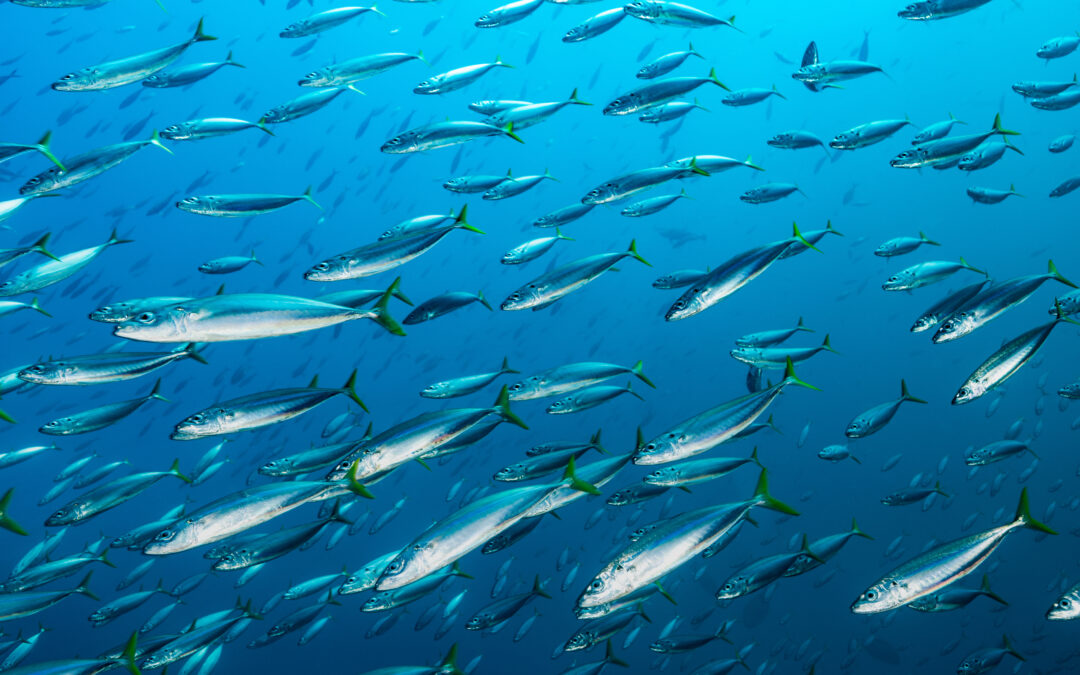
Mackerel in Pembrokeshire

Mackerel in Pembrokeshire

The Atlantic mackerel (Scomber scombrus) plays a vital role in the Pembrokeshire coastal marine ecosystem. Known for its iridescent blue-green tiger stiped back and swift, schooling behavior, the mackerel is a commercially valuable fish. The Atlantic mackerel is between 30 and 45 cm long and can live for between 12 and 20 years Mackerel are migratory, pelagic fish. They move in large shoals...

Basking Sharks in Pembrokeshire

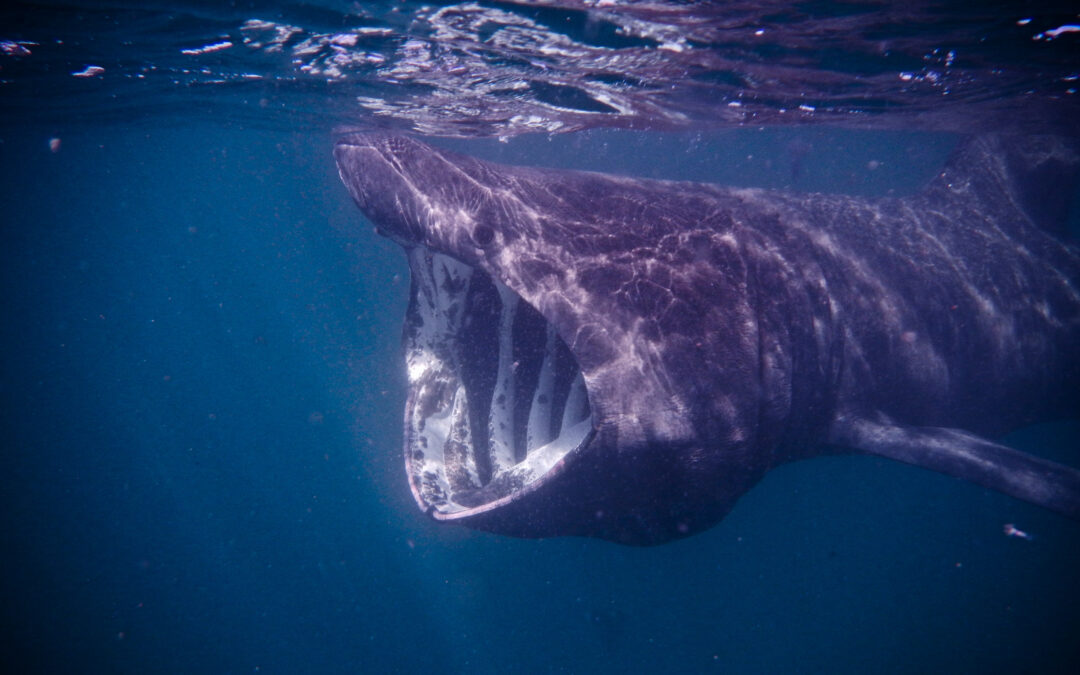
Basking Sharks in Pembrokeshire

Basking sharks (Cetorhinus maximus) are are gentle, slow-moving fish that pose no threat to humans. Basking sharks are filter feeders, swimming slowly near the surface with their mouths open to strain plankton, copepods and fish larvae from the water. They use specialised gill rakers to trap food before swallowing, and a single shark can filter thousands of litres of seawater each hour. In terms...

Skomer Island

Skomer Island

Skomer Island lies just off the Pembrokeshire coast and is one of Britain’s most important wildlife havens. The island covers around 300 hectares, and supports an extraordinary concentration of birds, mammals, and plant life. Protected as a National Nature Reserve, Skomer offers a rare opportunity to experience wildlife at close close up. The island is best known for its seabirds. Each spring...

Spider Crabs – Pembrokeshire

Spider Crabs – Pembrokeshire

Spider crabs, and particularly the species Maja squinado, form a major part of Pembrokeshire’s marine ecosystem. They have spindly legs and spiny, camouflaged shells, these crustaceans are commonly found around the waters of Pembrokeshire. In recent years their numbers have been rising. Their shells grow up to around 20cm across with their log legs spanning up to 50cm. Pembrokeshire’s coastline...

Pembrokeshire Coast Path Walks, Porthclais to Porthlysgi

Pembrokeshire Coast Path Walks, Porthclais to Porthlysgi

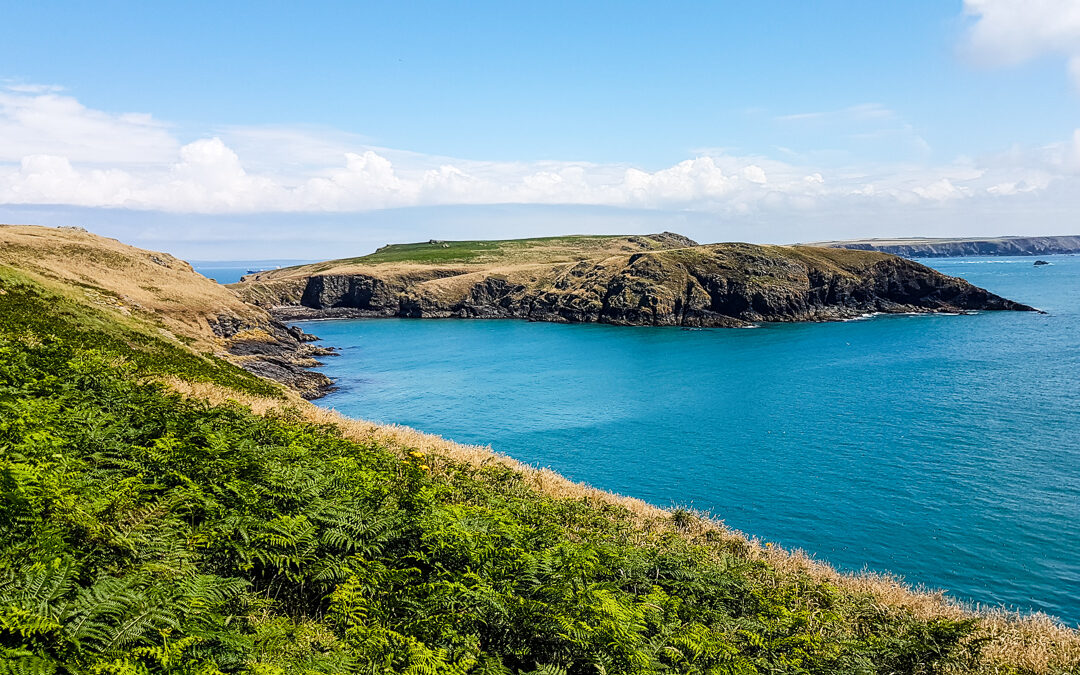
The walk from Porthclais to Porthlysgi takes in a beautiful section of the Pembrokeshire Coast Path, with low and high cliffs to the left and fields and moorland to the right. Here's a detailed description of the walk: Pembrokeshire Coast Path Walks, Porthclais to Porthlysgi Starting Point: Porthclais Porthclais Harbour is a small, picturesque harbour located just north of St Davids. The walk...

Guillemots in Pembrokeshire

Guillemots in Pembrokeshire

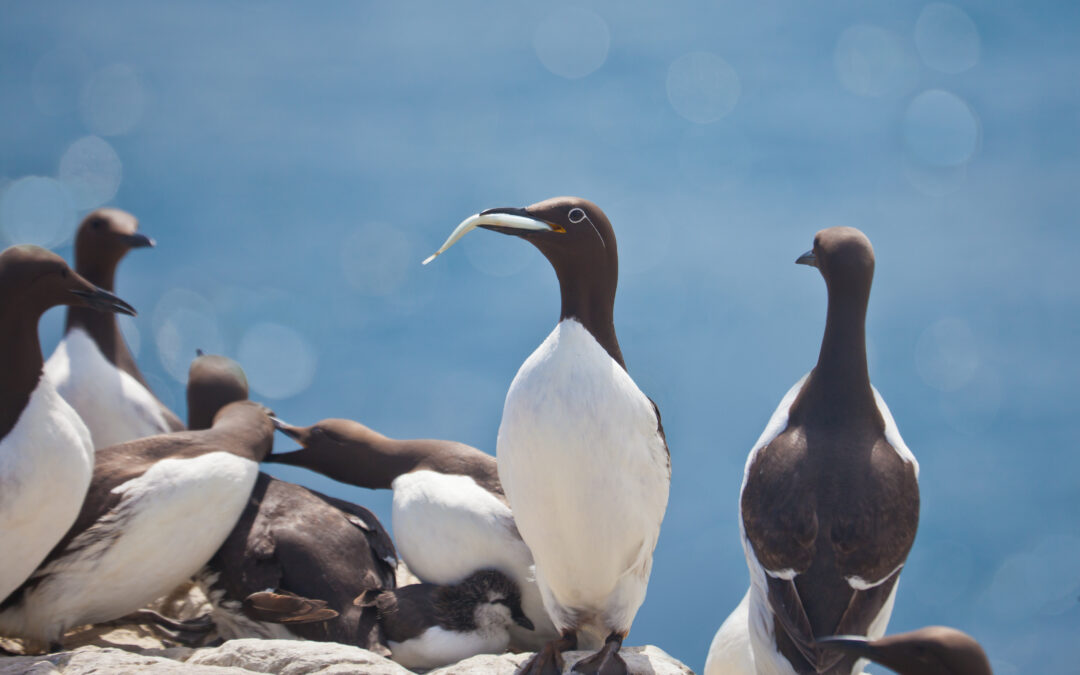
The dramatic coastline around St Davids is home to a thriving seabird population, including large colonies of Guillemots. These seabirds, known for their sleek black-and-white plumage and long delicate bills. They are seen on the sea cliffs around Pembrokeshire. Particularly around the nearby Ramsey Island and Skomer Island. The rugged cliffs and remote ledges, provide the perfect breeding...

Chough

Chough

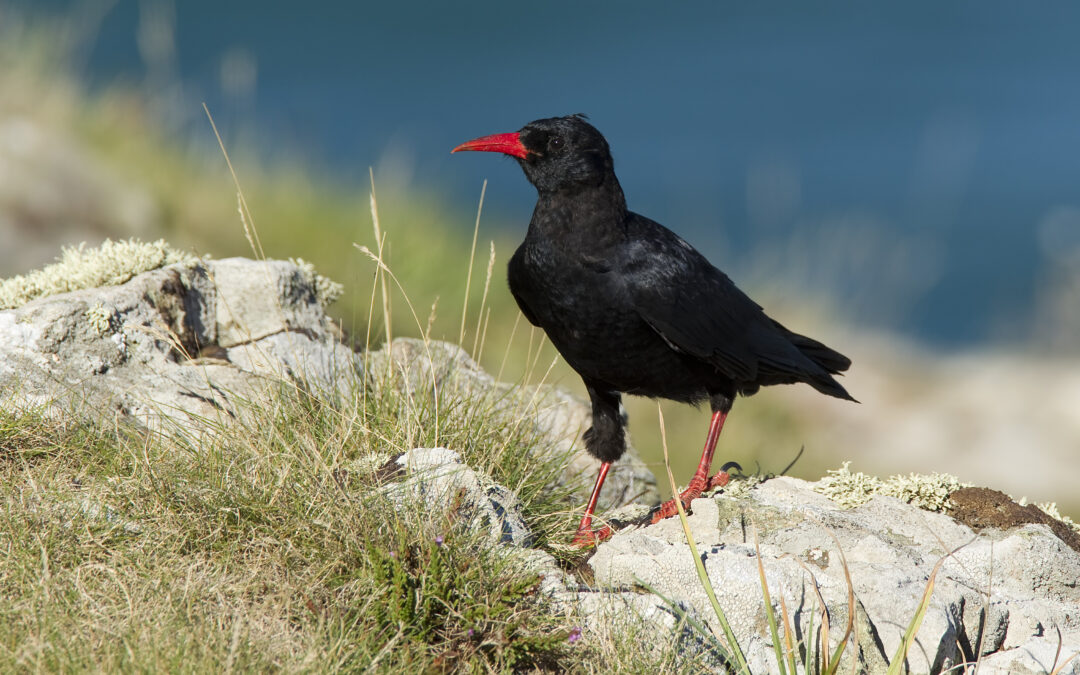
The Chough is a member of the crow family. It glossy black plumage like many other crows but is easily identified with its bright red beak and legs. They are similarly sized to a common crow at around 40 centimetres long with a wingspan of around 80 centimetres. Choughs make a distinctive two-part screech and are found nesting on sea cliffs. They eat small insects, berries and some grains...

Raven

Raven

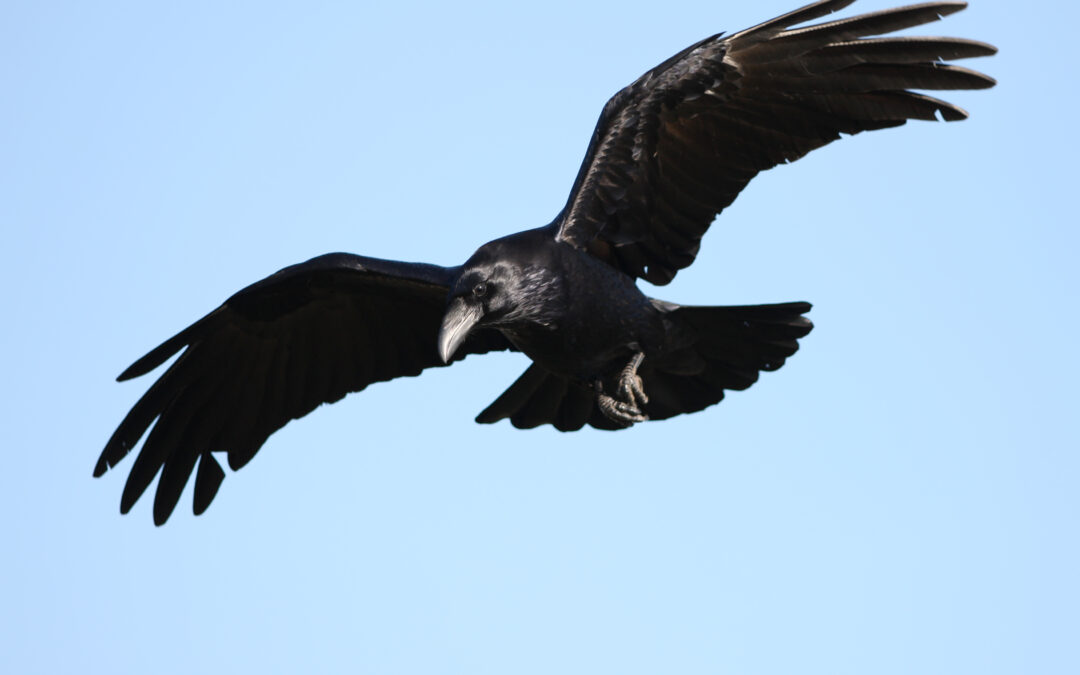
There have been records of Ravens on Ramsey Island as far back as the time of the Vikings. The name Ramsey is said to be derived from a description of the Raven, Raven's Water. The birds and the island have a long intertwined history. The Raven is a part of the corvid or crow family and is the largest of this family. They weigh up to one and half kilos and have a wingspan of over one meter. They...

Peregrine Falcon

Peregrine Falcon

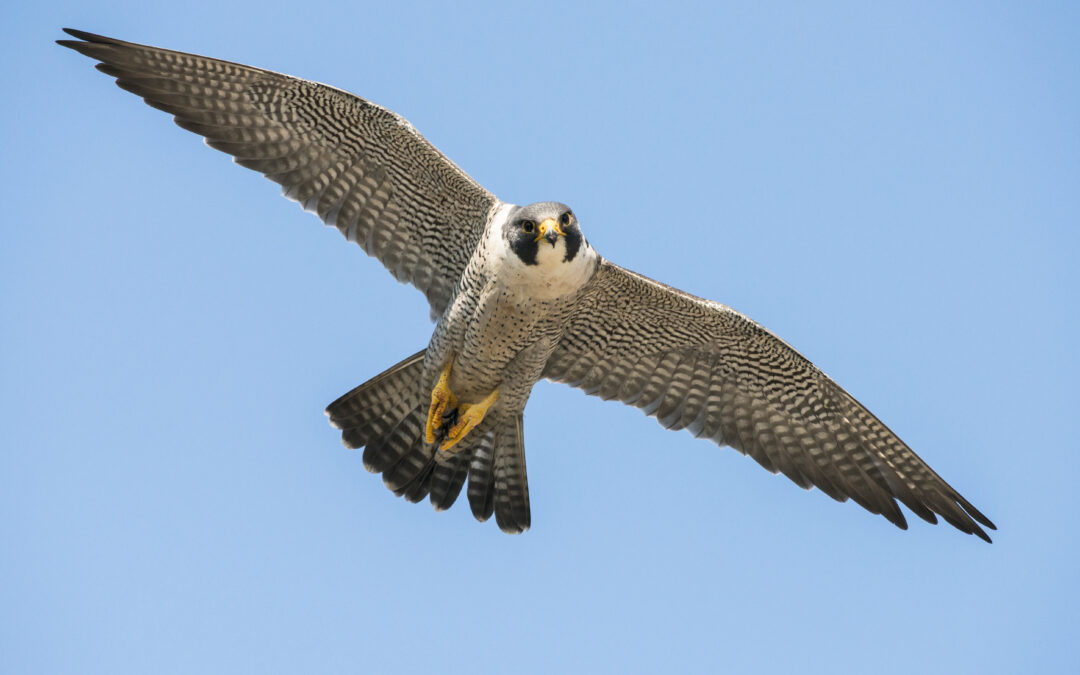
The Peregrine Falcon is one of the rarest birds of prey in Britain and we are lucky to have a handful of breeding pairs in Pembrokeshire. Peregrine's like tall cliff and tall buildings so the sea cliffs of Ramsey Island make an excellent place for nesting. Numbers fell dangerously low during the 60's and 70's as a result of pesticides present in the food chain. Luckily with restrictions on...

Razorbills

Razorbills

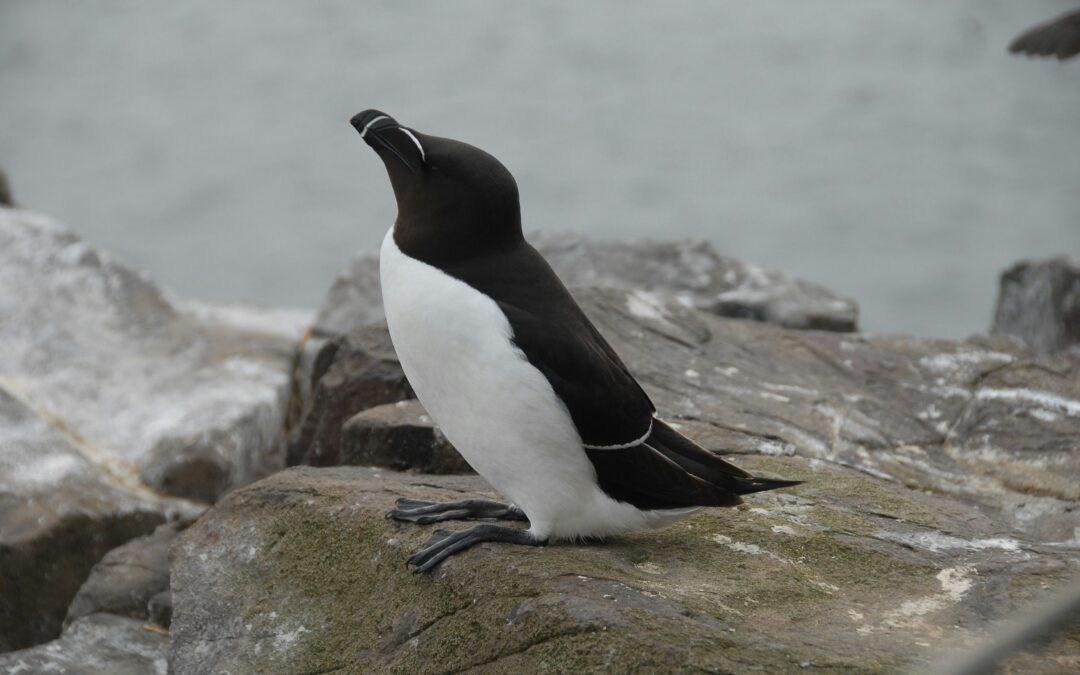
Razorbills are seasonal visitors Ramsey Island coming ashore to breed while spending the majority of their lives at sea. Part of the auk family along with Puffins and Guillemots the Razorbill and closely related to the now extinct Great Auk they have a strong beak and stocky body. The Razorbill is around 40cm long and weighs just over half a kilo, birds generally live for between 10 and 15...

Prices start at: £66.76 per night