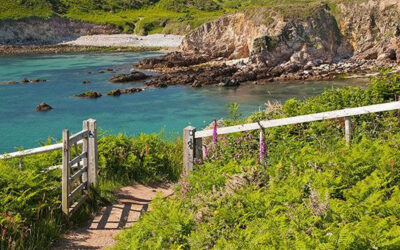
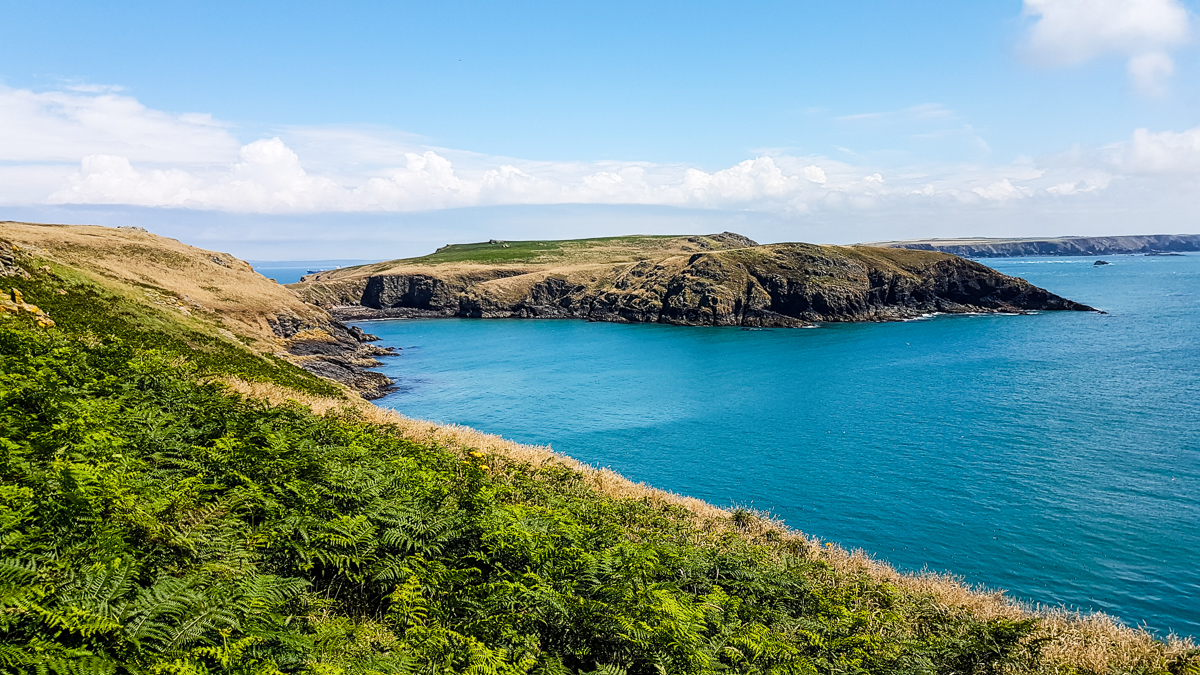
Skomer Island lies just off the Pembrokeshire coast and is one of Britain’s most important wildlife havens. The island covers around 300 hectares, and supports an extraordinary concentration of birds, mammals, and plant life. Protected as a National Nature Reserve, Skomer offers a rare opportunity to experience wildlife at close close up.

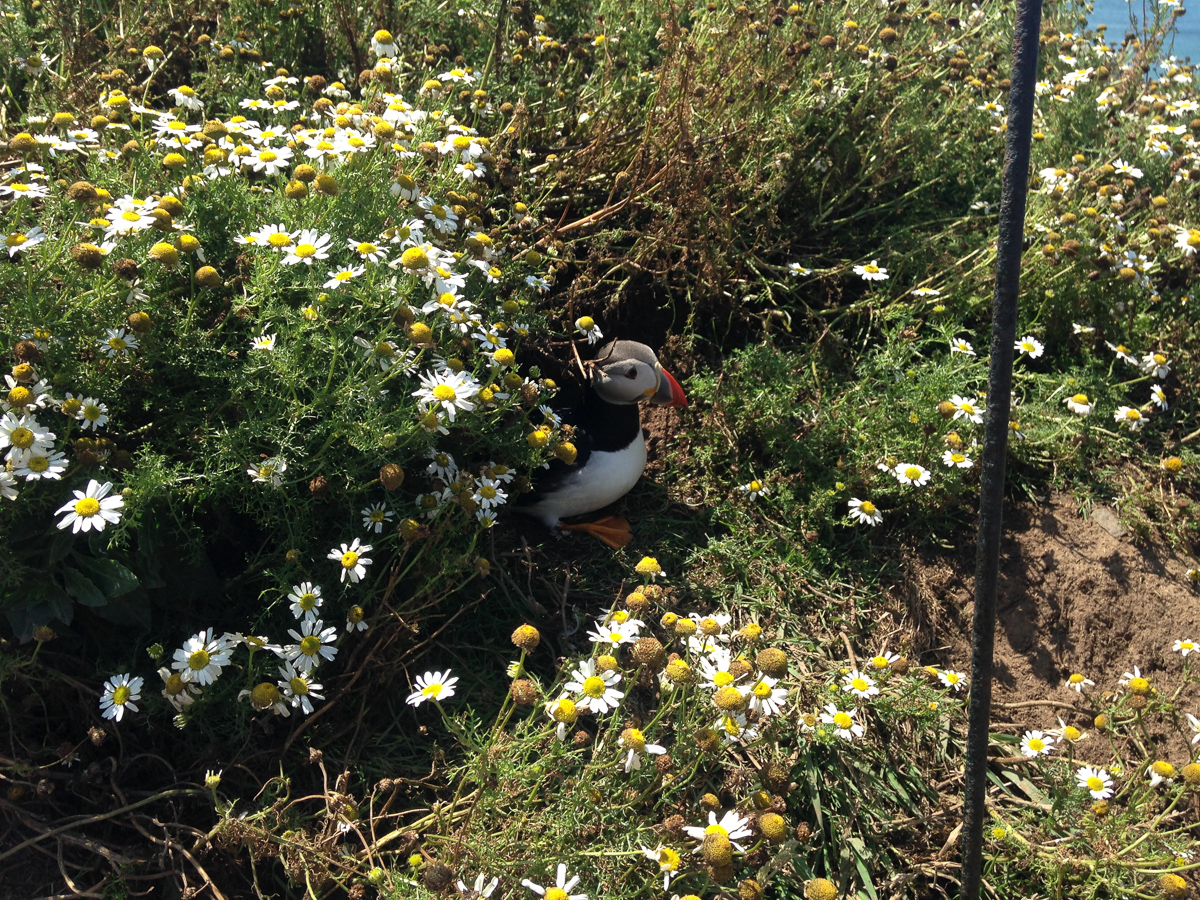
The island is best known for its seabirds. Each spring and summer, Skomer becomes home to hundreds of thousands of breeding birds. Puffins are the main draw for tourists and wildlife filmmakers alike. During the breeding season, thousands return to their burrows. They seem completely unfazed by human visitors as they waddle across the paths carrying beakfulls of sand eels. Alongside puffins, guillemots and razorbills pack tightly onto narrow cliff ledges. With kittiwakes and fulmars soar overhead, using the updrafts from the sea below.
Skomer Seabirds
Skomer is also internationally important for Manx shearwaters. These remarkable seabirds spend most of their lives at sea and return to the island only under cover of darkness to breed. With hundreds of thousands of breeding pairs, Skomer is one of the largest Manx shearwater colonies in the world.
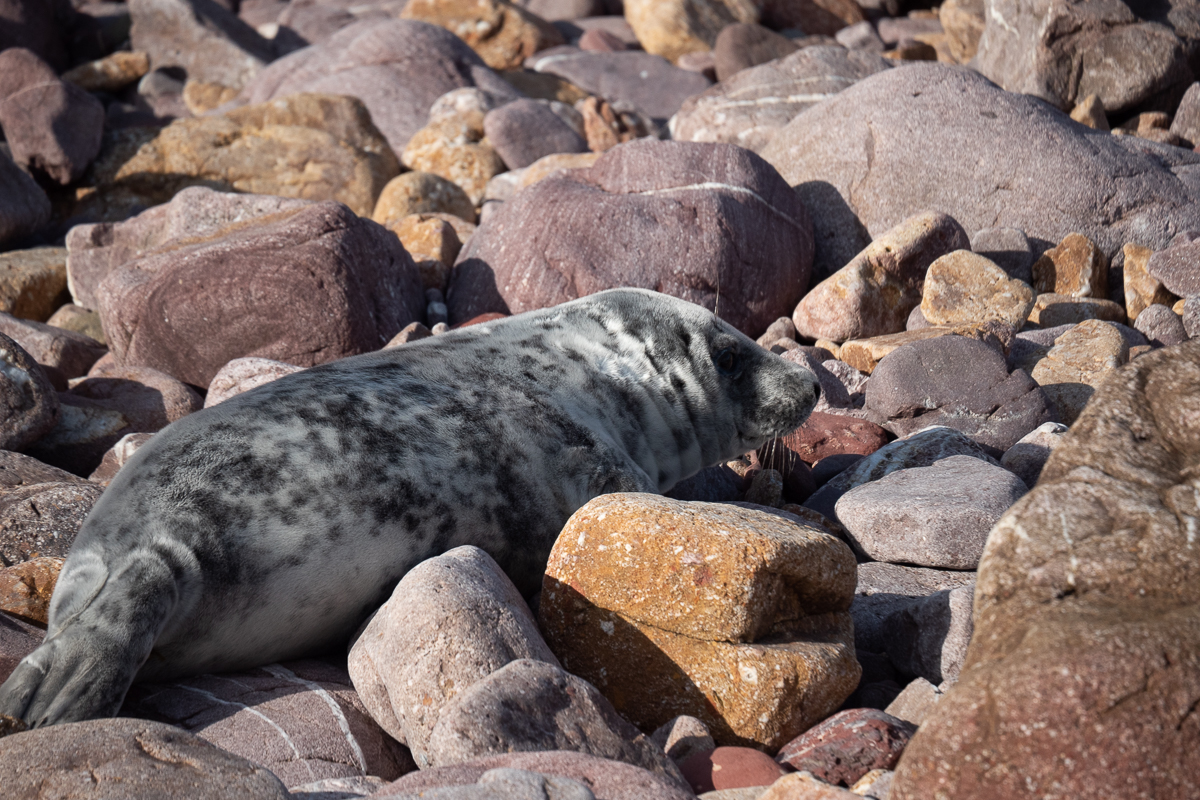
The most famous is the Skomer vole, a distinct subspecies of bank vole found nowhere else on Earth. Larger and bolder than its mainland relatives, the vole is a common sight during the day in the grasses to the side of the island paths. Grey seals are often seen on the island’s shores, especially in late summer and autumn when pups are born in sheltered coves.
In spring and early summer, Skomer is carpeted with wildflowers, including bluebells, thrift, and red campion. These flowers not only create striking displays of colour but also support a wide range of insects, including butterflies and bees. The rich grasslands and heath are managed using traditional practises, which help maintain the diversity of habitats across the island.

What makes Skomer Island particularly special is the way wildlife and visitors coexist. Carefully managed access and well-defined paths allow people to experience the island without disturbing its inhabitants. There are no roads, shops, or crowds, just the sounds of wind, waves, and birds.
Skomer Island is more than a place to see wildlife; it is a reminder of what the natural world can look like when given space to thrive. Whether watching puffins at arm’s length or spotting seals in the surf, a visit to Skomer offers an inspiring glimpse into one of Britain’s richest and most carefully protected ecosystems.
Getting to Skomer Island
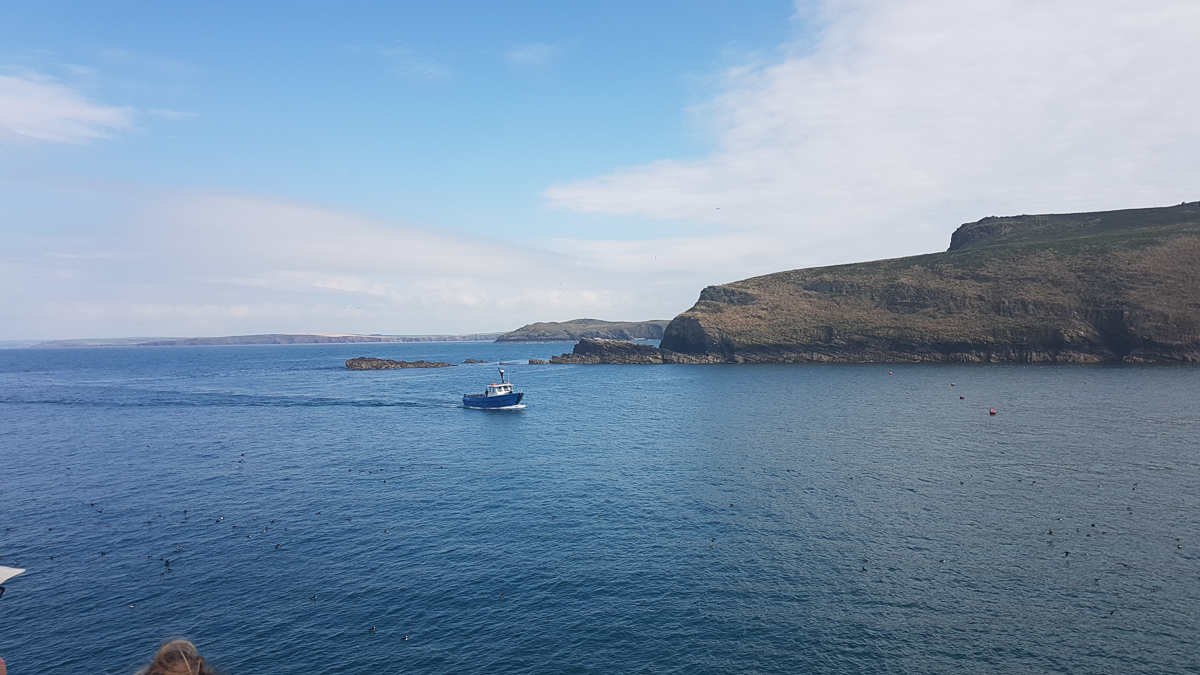
Getting to Skomer Island is an adventure in itself. Access is via a short boat crossing from the mainland at Martin’s Haven, near Marloes. The crossing takes around 15 minutes, but it is weather dependent. Boats operate seasonally, typically from spring to early autumn, when wildlife activity is at its peak. After arriving at Martin’s Haven, visitors must check in at the Skomer landing point, where rangers brief arrivals on safety and conservation guidelines. Numbers are limited each day, which helps preserve the island’s fragile ecosystems and gives the visit a wonderfully uncrowded feel.
You can book your crossing at http://pembrokeshire-islands.co.uk/
Why not stay in one of our apartments for your visit